

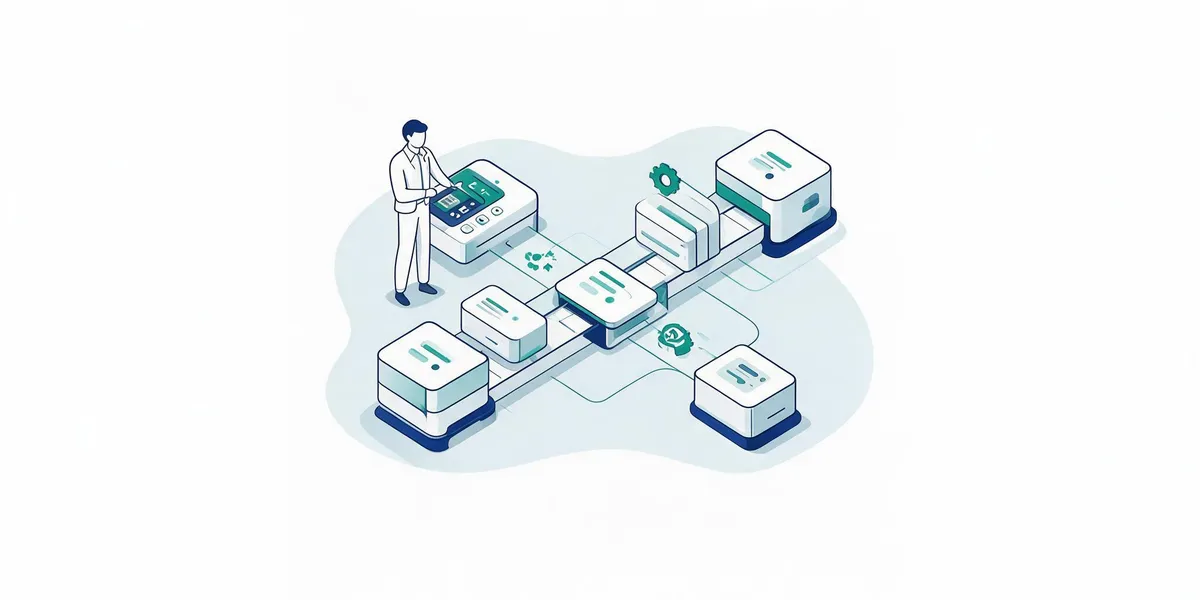
Intelligent automation integrates AI and ML with traditional automation tools to create systems that not only perform repetitive tasks but also learn, adapt, and make decisions.
Unlike basic RPA, which automates rule-based tasks, IA incorporates advanced capabilities like natural language processing (NLP), computer vision, and predictive analytics. This allows enterprises to automate complex processes that require judgment, pattern recognition, and data-driven insights.
For example, IA can automate customer service through chatbots that understand and respond to nuanced queries, or it can optimize supply chain management by predicting demand fluctuations and adjusting logistics in real time. The result is a smarter, more responsive enterprise ecosystem.
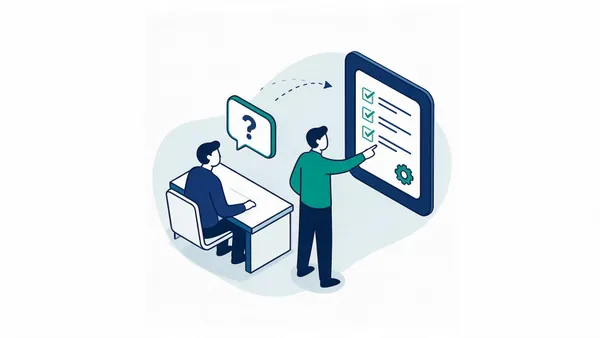
However, insights are static unless acted upon. Knowing that customer churn is increasing due to poor service is useless without steps to improve support channels. The gap between insight and action often stems from organizational silos, lack of clear processes, or failure to align insights with business goals.
Key Ways Intelligent Automation is Transforming Enterprises
1. Enhancing Operational Efficiency
IA significantly reduces the time and resources required for repetitive and manual tasks. By automating processes like data entry, invoice processing, or compliance reporting, enterprises can reallocate human resources to higher-value tasks. For instance, a global bank using IA to process loan applications reduced approval times from days to hours, improving customer satisfaction and operational throughput.
2. Driving Data-Driven Decision Making
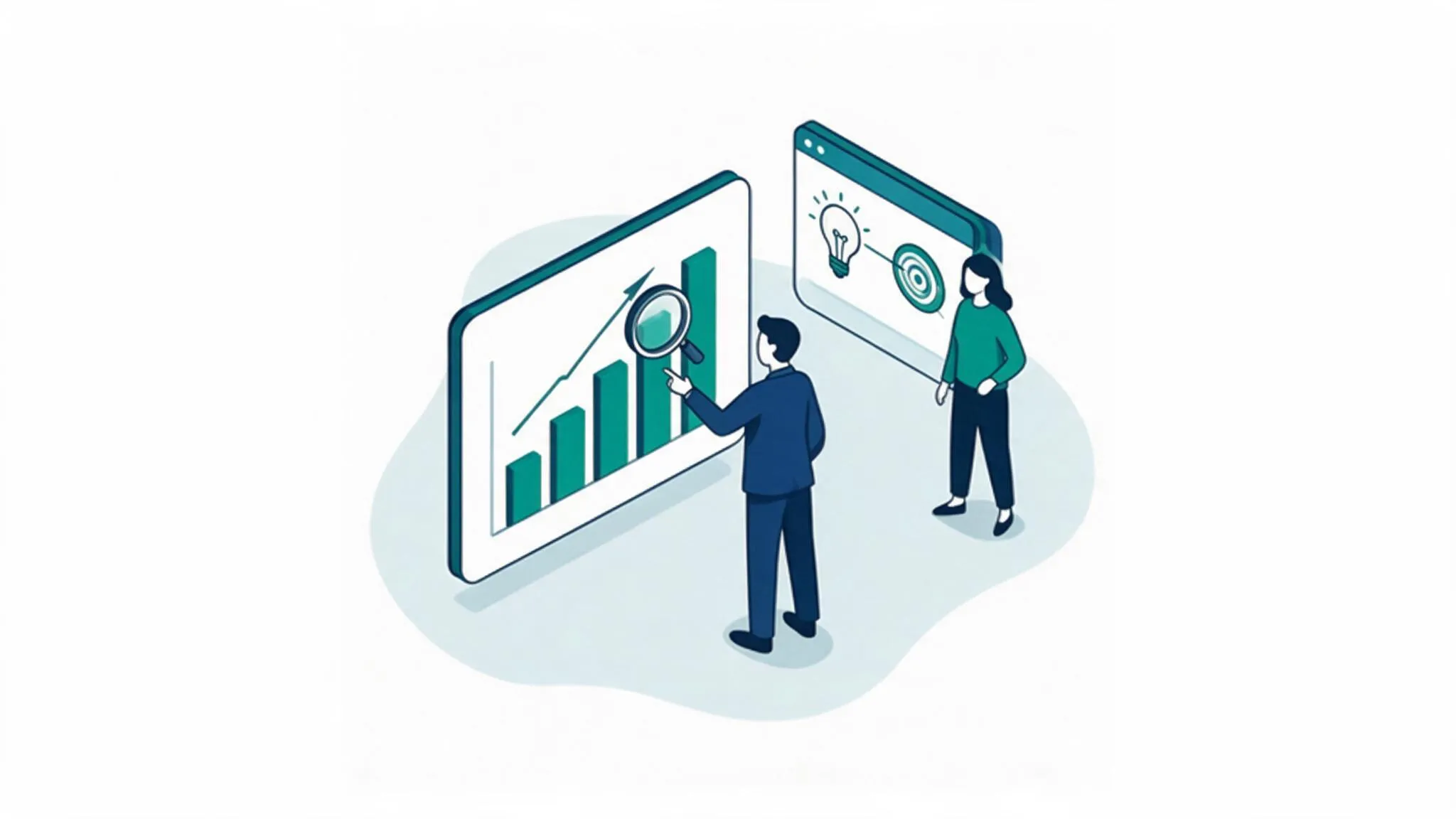
With AI’s ability to analyze vast datasets, IA empowers enterprises to make informed decisions quickly. Predictive analytics, a core component of IA, helps businesses anticipate market trends, customer behavior, and operational risks. Retailers, for example, use IA to analyze purchasing patterns and optimize inventory, reducing waste and boosting profitability.
3. Improving Customer Experiences
The sheer volume of data can overwhelm decision-makers. When teams are bombarded with insights from multiple sources, prioritizing which ones to act on becomes challenging. This paralysis by analysis prevents organizations from moving forward effectively.
4. Enabling Scalability and Agility
IA allows enterprises to scale operations without proportional increases in costs or complexity. Cloud-based IA solutions, for instance, enable businesses to adapt quickly to changing demands, such as during peak seasons or market disruptions. This agility is critical in industries like e-commerce, where demand can spike unpredictably.
5. Reducing Errors and Ensuring Compliance
Human errors in tasks like data processing or regulatory reporting can be costly. IA minimizes these risks by ensuring precision and consistency. In highly regulated sectors like healthcare and finance, IA systems can monitor compliance in real time, flagging potential issues before they escalate.
Challenges of Implementing Intelligent Automation
While the benefits are compelling, adopting IA is not without challenges. Enterprises often face:
- High Initial Costs — Implementing IA requires significant investment in technology, infrastructure, and training.
- Integration Complexity — Legacy systems may not easily integrate with modern IA platforms, requiring costly overhauls.
- Workforce Resistance — Employees may fear job displacement, necessitating change management and reskilling programs.
- Data Privacy and Security — IA relies on vast amounts of data, raising concerns about compliance with regulations like GDPR or CCPA.
To overcome these hurdles, enterprises must adopt a strategic approach, starting with pilot projects, investing in employee training, and ensuring robust data governance frameworks.
Real-World Examples of IA in Action
- Healthcare: Hospitals use IA to automate patient record management, reducing administrative burdens and allowing doctors to focus on care. AI-driven diagnostics also assist in identifying conditions earlier, improving outcomes.
- Manufacturing: IA optimizes production lines by predicting equipment failures and scheduling maintenance, minimizing downtime. Companies like Siemens have reported up to 20% improvements in production efficiency using IA.
- Financial Services: Banks leverage IA for fraud detection, analyzing transaction patterns in real time to flag suspicious activities, saving billions annually.
The Future of Intelligent Automation
As IA technologies evolve, their impact on enterprises will deepen. Advances in generative AI, edge computing, and quantum computing will make IA systems more powerful and accessible. By 2030, industry analysts predict that 70% of enterprises will adopt IA for at least one core business process, up from 30% in 2025. Furthermore, the rise of “hyperautomation” — an approach that automates every possible process — will drive even greater efficiencies.
However, the future of IA also depends on ethical considerations. Enterprises must prioritize transparency, fairness, and accountability in AI systems to maintain trust. Collaboration between governments, businesses, and tech providers will be crucial to establish standards for responsible IA adoption.
Conclusion
Intelligent automation is no longer a futuristic concept but a present-day reality transforming enterprises. By enhancing efficiency, enabling data-driven decisions, and improving customer experiences, IA is helping businesses stay competitive in a rapidly changing world. While challenges like cost and integration persist, the strategic adoption of IA promises a future where enterprises are more agile, innovative, and customer-centric. As technology advances, those who embrace IA will lead the charge in redefining what’s possible in the enterprise landscape.